
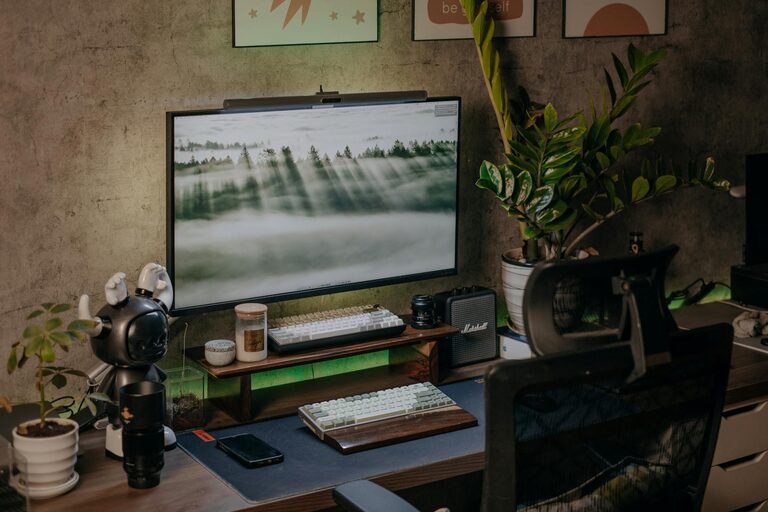
Creating a relaxing home workspace is essential for maintaining focus, reducing stress, and improving overall productivity. Whether you work from home full-time or need a dedicated area for occasional projects, a comfortable and well-designed space can make all the difference. In this post, we’ll explore practical tips and ideas to help you build a home office environment that supports your best work while promoting a sense of calm and well-being.
Why a Relaxing Workspace Matters
A cluttered or uncomfortable workspace can cause distractions and fatigue, leading to decreased efficiency and motivation. On the other hand, a calm and inviting workspace encourages focus, helps manage stress, and ultimately allows you to get more done with less effort. Designing a space that balances functionality with relaxation can also improve your mood, making your workday more enjoyable.
Choosing the Right Location
Consider Natural Light
Whenever possible, place your workspace near a window to take advantage of natural daylight. Natural light helps regulate your body clock, lifts your mood, and reduces eye strain. If a window isn’t available, use soft white lighting that mimics daylight rather than harsh fluorescent bulbs.
Minimize Noise and Distractions
Select a spot in your home that is quiet and free from distractions. If noise is an issue, consider soundproofing options like rugs, curtains, or white noise machines. Creating a dedicated work zone separate from high-traffic or noisy areas can help you maintain focus.
Ergonomic Furniture Choices
Invest in a Comfortable Chair
Your chair should offer good lumbar support and be adjustable to fit your body. Sitting for extended periods in an ill-fitting chair can cause discomfort and affect posture. Look for ergonomic options that encourage healthy sitting habits.
Choose a Desk with Adequate Space
Ensure your desk has enough surface area for your computer, notebooks, and any other tools you need. A clutter-free desk enhances concentration. Standing desks or adjustable desks are a great choice to allow changing positions throughout the day.
Organizing for Calm and Efficiency
Declutter Regularly
A tidy workspace reduces stress and prevents distractions. Keep only essentials on your desk, and use storage solutions like drawers, shelves, or desk organizers to keep supplies out of sight but within reach.
Use Cable Management
Messy cables can make your workspace feel chaotic. Use cable clips, sleeves, or trays to keep cords organized and prevent tangling. This small change can make your work area look cleaner and less stressful.
Personalizing Your Space
Add Greenery
Plants bring life and a sense of calm to any room. Choose low-maintenance options like succulents or pothos if you don’t have a green thumb. Plants can improve air quality and create a more inviting atmosphere.
Incorporate Calming Colors
Soft, neutral colors like pale blues, greens, or warm grays tend to promote relaxation. You can introduce these through paint, furniture, or accessories like cushions and curtains. Avoid overly bright or harsh colors that may feel overstimulating.
Display Inspiring Items
Add a few personal touches, such as photos, artwork, or motivational quotes, to help keep you inspired during the workday. Be mindful not to overcrowd your workspace with too many items.
Managing Technology and Breaks
Optimize Your Screen Setup
Position your monitor at eye level to reduce neck strain. Adjust brightness and contrast settings to prevent eye fatigue. Consider using blue light filters if you spend many hours in front of screens.
Remember to Take Breaks
Scheduling short breaks can refresh your mind and reduce physical tension. Use a timer or apps that remind you to stand, stretch, or step away briefly from your desk.
Creating a Routine and Atmosphere
Establish Boundaries
Set clear start and end times for your workday to avoid burnout. Communicate these boundaries to others in your household when possible to minimize interruptions.
Use Aromatherapy or Ambient Sounds
Some people find that gentle scents like lavender or eucalyptus promote focus and relaxation. Similarly, playing calming background sounds or instrumental music can enhance the ambiance and block distracting noises.
Final Thoughts
Designing a relaxing home workspace is about balancing comfort, organization, and a soothing environment. Small changes like choosing the right chair, controlling clutter, and adding personal touches can significantly influence your productivity and well-being. By putting thought into your workspace, you’re investing in a happier and more efficient work experience right in your own home.