
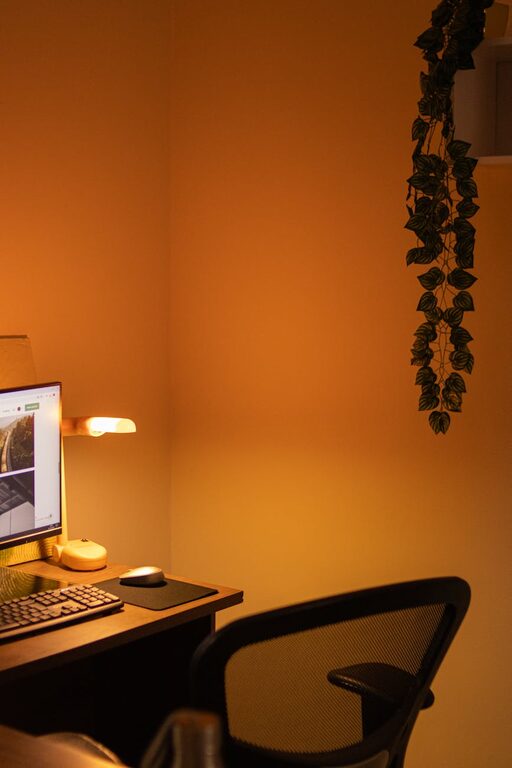
Creating a workspace at home that feels both cozy and inviting can make a significant difference in your comfort and productivity. Whether you work remotely, manage a small business, or need a quiet place for personal projects, setting up an environment that inspires focus and relaxation is key. In this post, we’ll explore useful tips to help you design a home workspace that you’ll enjoy spending time in.
Why a Cozy Workspace Matters
When your workspace feels comfortable, you are more likely to stay motivated and engaged. A cozy setup reduces stress and fatigue, allowing you to work efficiently and creatively. Since many people spend hours each day at their desks, investing time in creating a pleasant environment is well worth it.
—
1. Choose the Right Spot
Finding the perfect location in your home for your workspace is the first step.
– Natural Light: Aim for a space near a window to benefit from natural sunlight. This can improve your mood and reduce eye strain.
– Quiet Area: Pick a spot away from household noise, especially if you often take calls or focus deeply.
– Space Availability: Consider the size of your workspace requirements. Make sure you have enough room for your essentials and some movement.
If space is limited, a corner or even a closet conversion can work well as long as it’s functional and comfortable.
—
2. Invest in Comfortable Furniture
Your chair and desk are the foundation of a cozy workspace.
– Ergonomic Chair: Choose a chair that supports good posture and feels comfortable for long hours.
– Desk Height: Your desk should allow your arms to rest at a comfortable angle while typing or writing.
– Adjustable Options: Consider adjustable desks or chairs if you like to switch between sitting and standing.
Comfort isn’t about luxury but about supporting your body to prevent discomfort and fatigue.
—
3. Personalize Your Space
Adding personal touches can make your workspace feel inviting.
– Decor: Use artwork, photos, or inspirational quotes that motivate you.
– Plants: Incorporate indoor plants for a touch of nature. They also help purify the air and boost your mood.
– Colors: Choose colors that suit your preferences. Soft and warm tones often create a calming atmosphere.
Personalizing your workspace helps set a positive tone for your daily routine.
—
4. Declutter and Organize
A tidy space promotes clear thinking and efficiency.
– Storage Solutions: Use shelves, drawers, and organizers to keep supplies neat.
– Cable Management: Keep cords organized and out of the way to reduce clutter.
– Regular Cleaning: Make it a habit to clean and organize your desk at the end of each day.
Keeping your workspace tidy will reduce distractions and anxiety related to mess.
—
5. Optimize Lighting
Proper lighting helps reduce eye strain and keeps you alert.
– Layered Lighting: Combine natural light with ambient and task lighting.
– Desk Lamp: Use a desk lamp to focus light where you need it most during evening hours.
– Soft Bulbs: Choose bulbs with warm or neutral white light to create a soothing environment.
Good lighting can make your workspace more inviting and comfortable to work in.
—
6. Add Cozy Textiles
Small comfort details can elevate your workspace.
– Rugs: Place a soft rug underfoot to add warmth and texture.
– Cushions: Use cushions or a lumbar pillow to enhance seating comfort.
– Blankets: Keep a lightweight throw nearby for chilly days.
These items make your workspace more pleasant and cozy, boosting your overall well-being.
—
7. Incorporate Functional Tech
Technology should streamline your workflow without adding stress.
– Reliable Equipment: Use a good quality keyboard, mouse, and monitor to reduce strain.
– Noise Control: Consider noise-canceling headphones or a white noise machine if noise is an issue.
– Charging Stations: Keep cords and devices organized with charging docks and holders.
An efficient tech setup supports your comfort and productivity.
—
8. Set Boundaries
Creating a physical and mental boundary between work and relaxation helps maintain balance.
– Dedicated Workspace: Avoid working from places where you usually relax, like your bed or couch.
– Set Hours: Establish clear work hours to separate professional time from personal time.
– Signal to Others: Use signs or signals to inform family or roommates when you shouldn’t be disturbed.
Boundaries help you stay focused and make it easier to disconnect after work.
—
Final Thoughts
Designing a cozy and inviting home workspace is about combining comfort, functionality, and personal style. By thoughtfully choosing your location, investing in comfortable furniture, adding personal touches, and keeping the space organized, you can create a place where work feels less like a chore and more like a positive part of your day. Start small, experiment with different elements, and adapt your workspace as your needs evolve.
Enjoy crafting your perfect work haven!