
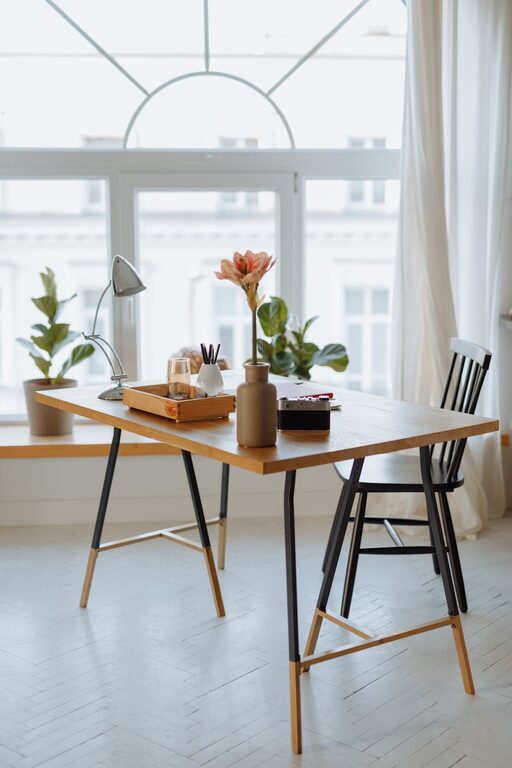
Setting up a relaxing home office is essential for anyone working remotely or spending long hours at a desk. A calm and comfortable workspace can help improve focus, reduce stress, and increase overall productivity. Whether you have a dedicated room or a small corner, these tips will guide you in creating an environment where work feels less like a chore and more like a positive daily routine.
Why a Relaxing Home Office Matters
Your workspace influences how you feel and perform during the day. A cluttered, noisy, or poorly lit area can lead to distractions and fatigue. On the other hand, a thoughtfully designed space promotes mental clarity and well-being, making it easier to stay motivated and enjoy your work.
Choose the Right Location
Consider Natural Light
Whenever possible, set up your workspace near a window. Natural light helps regulate your body’s internal clock and can improve mood. If natural light is limited, invest in full-spectrum bulbs that mimic daylight.
Minimize Noise
If your home is busy or noisy, try to find a quieter spot for your office. Use noise-canceling headphones or white noise machines to help drown out distractions.
Separate Work and Relaxation Areas
Creating a distinct boundary between your work zone and living space helps your brain shift into “work mode” and avoid burnout. Avoid working from the couch or bed, which can blur these lines.
Comfortable and Functional Furniture
Invest in an Ergonomic Chair
A good chair supports your posture and reduces the risk of back pain. Look for adjustable height, lumbar support, and comfy cushioning.
Use a Desk That Fits Your Needs
Choose a desk that provides enough surface area for your computer, notepads, and any other tools. Standing desks or those with adjustable heights allow you to change positions throughout the day.
Keep Essentials Within Reach
Organize your desk so that frequently used items are easy to grab. This reduces unwanted movement and keeps you focused.
Declutter and Organize
Use Storage Solutions
Boxes, files, and shelves help keep paperwork and supplies neat. Keeping clutter off your desk clears your mind.
Go Digital When Possible
Reducing paper by scanning important documents or using digital notes can save space and make retrieval easier.
Set Up Cable Management
Tangled cords can be distracting and unsafe. Use clips, sleeves, or boxes to keep cables tidy.
Personalize Your Space
Add Greenery
Plants improve air quality and add a soothing natural element. Low-maintenance options like succulents or spider plants are great for busy people.
Choose Calming Colors
Soft, neutral tones or pastels can create a peaceful atmosphere. Avoid overly bright colors that may feel stimulating.
Display Inspiring Items
Photos, artwork, or motivational quotes that uplift you can boost morale on tougher days.
Optimize Lighting
Combine Ambient and Task Lighting
A balanced mix of overhead light and desk lamps reduces eye strain. Adjustable lamps let you control brightness and angle as needed.
Avoid Glare
Position screens and lights to minimize reflection. Consider anti-glare screen protectors if necessary.
Incorporate Relaxation Techniques
Take Regular Breaks
Use methods like the Pomodoro Technique to work in focused bursts with short breaks, which helps maintain mental freshness.
Use Aromatherapy
Lavender or eucalyptus essential oils in a diffuser can create a calming environment.
Practice Mindfulness or Stretching
Incorporate short meditation or stretching sessions to relieve tension and refocus your mind.
Maintain Good Air Quality
Open a window when possible or use an air purifier. Fresh air can help improve concentration and energy levels.
Keep Technology User-Friendly
Organize Your Digital Workspace
Keep files and emails well sorted. Declutter your desktop to reduce digital stress.
Ensure Reliable Internet and Equipment
Nothing disrupts focus like slow connections or malfunctioning devices. Regularly check and maintain your technology.
—
Creating a relaxing home office environment requires attention to both physical and mental well-being. By thoughtfully setting up your workspace with comfort, organization, and personalization in mind, you can foster a productive atmosphere where work feels less stressful and more enjoyable. Remember, small changes can have a big impact—start with one or two tips and build on them over time to create your ideal work sanctuary at home.